
Under Oregon’s Proposed Rules, Legal Psilocybin Will Be All-Natural, Organic, and GMO-Free

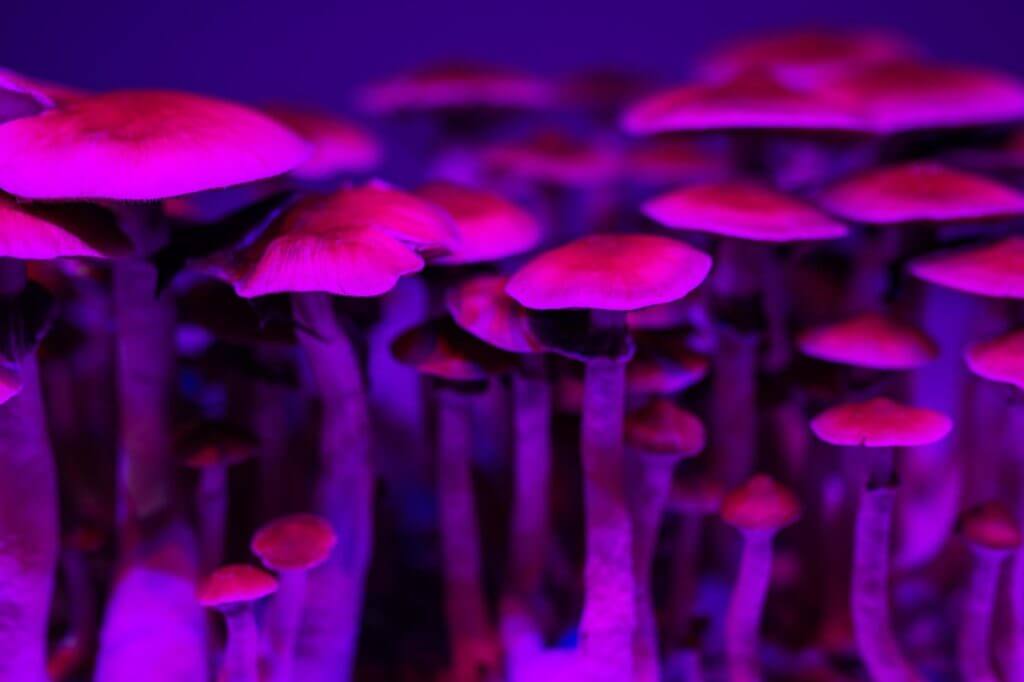
The 2020 ballot initiative that made Oregon the first state to legalize psilocybin use instructed the Oregon Health Authority (OHA) to complete the regulations necessary to implement that policy within two years. The OHA, which plans to begin accepting applications from psilocybin manufacturers and “service centers” on January 2, is on track to comply with that requirement. Its proposed regulations should interest psychedelic fans and drug policy reformers, since they represent a groundbreaking effort to establish rules for producing, distributing, and consuming the main active ingredient in “magic mushrooms,” which the federal government has banned since 1968.
Measure 109, a.k.a. the Oregon Psilocybin Services Act, envisions businesses where adults 21 or older can legally take the drug under the supervision of a “facilitator” after completing a “preparation session.” It says the “clients” of those “psilocybin service centers” need not have a specific medical or psychiatric diagnosis, leaving the door open for anyone interested in the experience for psychological, spiritual, intellectual, or recreational reasons.
That is a striking departure from the approach taken by the Food and Drug Administration (FDA), which has deemed psilocybin a “breakthrough therapy” for treatment-resistant depression and may eventually approve it for that purpose. Even when psilocybin is available as a prescription drug, its legal use will be limited to patients who qualify for that diagnosis or another medical or quasi-medical label.
Oregon’s proposed regulations, which are open to public comment until April 22, also differ from the FDA model in prohibiting synthetic psilocybin, specifying that the drug must be derived not only from fungi but from a single species: Psilocybe cubensis, which is one of hundreds that contain psilocybin. The rules also restrict growing media (prohibiting manure and wood chips because of concerns about microbial contamination); the solvents that can be used for extraction (allowing only water, vegetable glycerin, acetic acids, ethanol, and methanol); the forms in which extracts can be sold (banning those that “appeal to minors,” such as “products in the shape of an animal, vehicle, person or character”); and the way in which those extracts may be consumed (specifying that they “must be consumed orally”).- READ MORE




Responses