
Could the Railroad Industry Go Completely Off the Track?

So, do you think fuel and food are expensive right now? Are you having trouble finding things you and your family like or need? At least one railroad employee tells me you can expect to have difficulty finding acetaminophen, also known as Tylenol, in addition to baby formula, sriracha, tampons, and Jif.
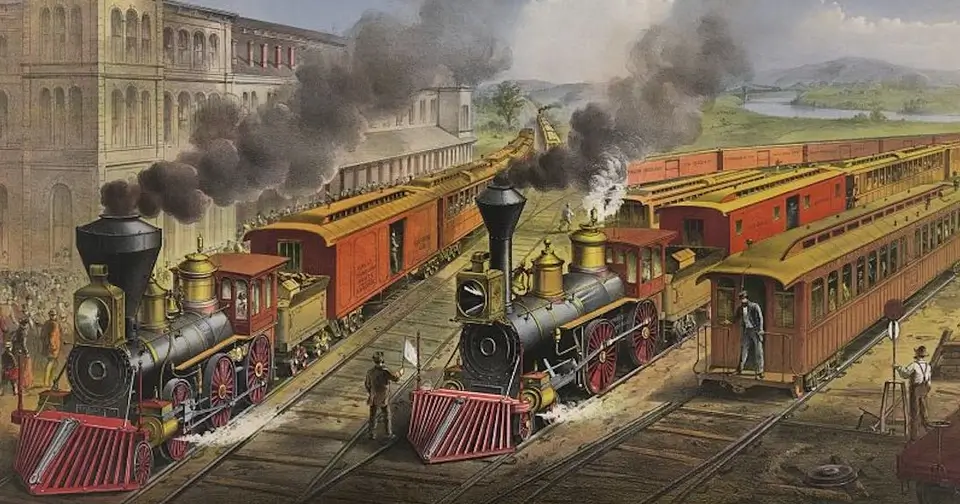
Nearly every product you buy or use was once in a rail container in its journey to reach you. Many manufacturers take raw materials and supplies directly off trains. If they do not receive the needed inputs, the manufacturing process stops. A combination of bad management practices and labor issues puts the entire system at risk, according to frontline employees.
According to the Association of American Railroads (AAR), the trade group representing the Class I railroads, 12 labor unions, and 30 freight railroads are in the midst of a multi-year effort to negotiate and reach a collective bargaining agreement that has lasted several years. This multiemployer agreement will address wages, benefits, health care, workplace safety, and operating rules. The Railway Labor Act (RLA), which Congress passed in 1929, governs the negotiations process:
The RLA establishes a deliberate negotiation process for railroads and workers, with numerous opportunities for mediation and resolution. The process requires the parties to “exert every reasonable effort” to reach agreements and is designed to avoid interruptions to interstate commerce. Typically, both parties come to agreement without outside intervention; however, if needed, an independent federal agency — the National Mediation Board (NMB) — may be called by either party to step in and mediate negotiations. – READ MORE



Responses