
Pandemic’s hidden toll: Almost one in 10 in U.K. await treatment, but not for Covid-19

Ms. Hetherington eventually got a biopsy and is currently being treated with a type of chemotherapy which she says has a good likelihood of working on her type of cancer. But as a consequence of the delayed biopsy, she said she missed a window to enroll in a clinical trial that could have offered her treatment with immunotherapy.
“Maybe at this point I would be further ahead in my treatment,” Ms. Hetherington said. “I felt like I was being let down. When you have stage four cancer that is aggressive and incurable, you don’t want to hear that.”
Oxford University Hospitals NHS Foundation Trust, which manages Churchill Hospital, declined to comment, saying that it can’t discuss individual cases.
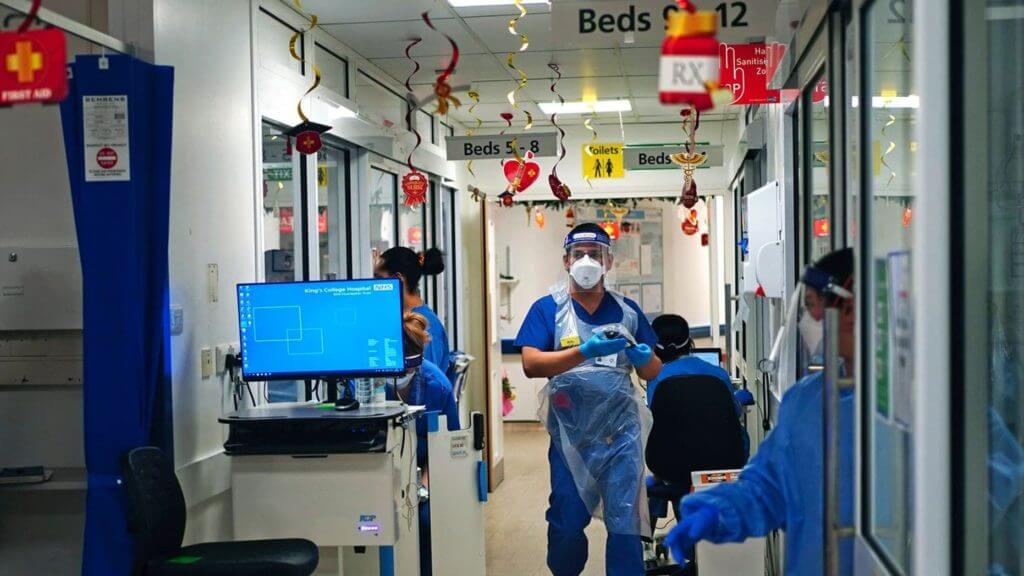
Covid-19 has slammed hospitals and stretched healthcare systems, in turn resulting in canceled doctors’ appointments and delayed procedures and tests for other illnesses. According to the World Health Organization, the pandemic has triggered a separate, global crisis among patients with conditions like cancer, diabetes and heart disease who were unable to get—or who put off—timely care because of healthcare systems overrun by Covid-19.
In most places, it is hard to quantify how many people delayed or forwent healthcare during the pandemic. But in the U.K., thanks to a centralized, government-funded healthcare system, officials have been able to keep track.
At the end of October, the number of people in England who were on the waiting list for an elective procedure—one that is usually planned in advance and isn’t life-threatening enough to require emergency attention, like a colonoscopy or knee surgery—hit six million. The United Kingdom’s total population is reportedly about 68 million. – READ MORE



Responses